BOULEVARD, Calif. – The drones are coming.
Not as flying deliverymen that bring diapers, books or soup cans to your home, a vision put forth by Amazon CEO Jeff Bezos to much fanfare a little more than a year ago.
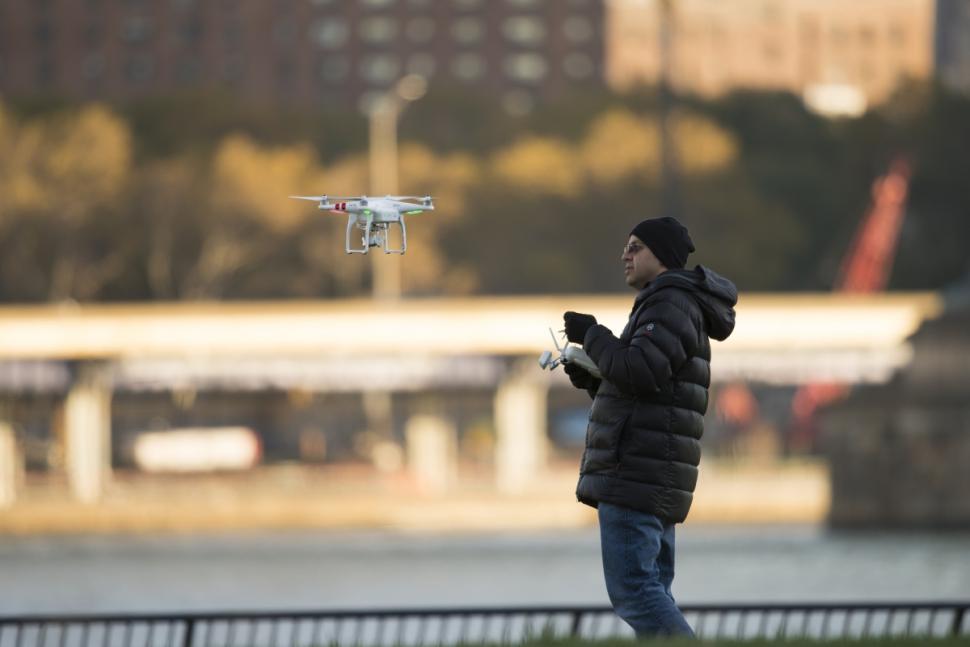
Instead, drones will help spray crops, inspect high-voltage power lines and hover over movie sets to provide directors with new vantage points. They will also work for insurance companies, real estate agencies, ski resorts and dozens of other businesses.
Eventually.
For now, this all remains theoretical. Except for a few locations, U.S. airspace is closed to commercial drones. Regulators say the danger is too great, and they want to go slow easing unmanned aircraft into the already crowded skies.
Advocates of the young drone industry complain that the long wait is keeping them grounded. Big-money investors are generally staying away, waiting for clear government guidelines. And the blanket flight prohibition has prevented companies from experimenting and advancing the technology. That includes developing sophisticated collision-avoidance systems or finding ways for the aircraft to navigate without human help.
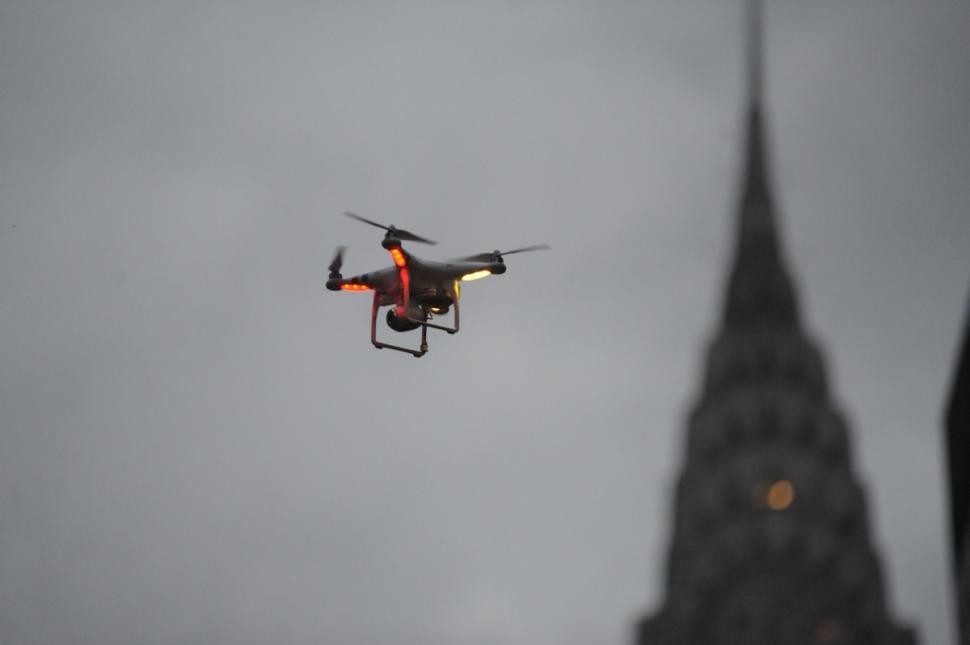
“Most of these drones have very limited safety features,” says Maryanna Saenko, an analyst with science and technology consultancy Lux Research. If one crashes, “it’s a four- or five-pound brick coming out of the sky.”
Most Americans associate drones with the military, which uses unmanned aircraft to survey battlefields and hunt terrorists. In a similar manner, businesses of all kinds envision using
Article source: http://www.hutchnews.com/ap/national/drone-revolution-draws-near-but-big-obstacles-remain/article_34268375-f879-5b73-b0e1-dbc96f4f0564.html
 Facebook
 Twitter
 Pinterest