
A scaled-down gale blows over a flat plate set inside the tabletop wind tunnel. Despite the low lighting and hazy Plexiglas view portals, we can clearly see the frenzied fluttering of streamer ribbons, called telltales, in the field of little wind vanes that carpets the exposed test surface inside.
At first, each unruly telltale flies every which way, clear evidence of unsteady air flows gusting within. “OK, that’s off,” the researcher says.
“Here’s on…” Almost like a sorcerer’s spell, an otherworldly, blue-violet halo emerges at the front of the plate and hovers corona-like, casting peculiar purple shadows onto the walls. The telltales meanwhile become suddenly and strangely obedient, instantly swinging round in near unison, aligned by an insistent new wind.
“Off,” she says. The ribbons flap arbitrarily as the eerie electric flame fades. “On.” More purple haze and parallel ribbons.
“Off, off…and on.” The odd glow, curious order, and incessant roar of the fan drop away. By the time the lights come on, a whiff of ozone hangs in the air and everyone in the room is grinning uncontrollably.
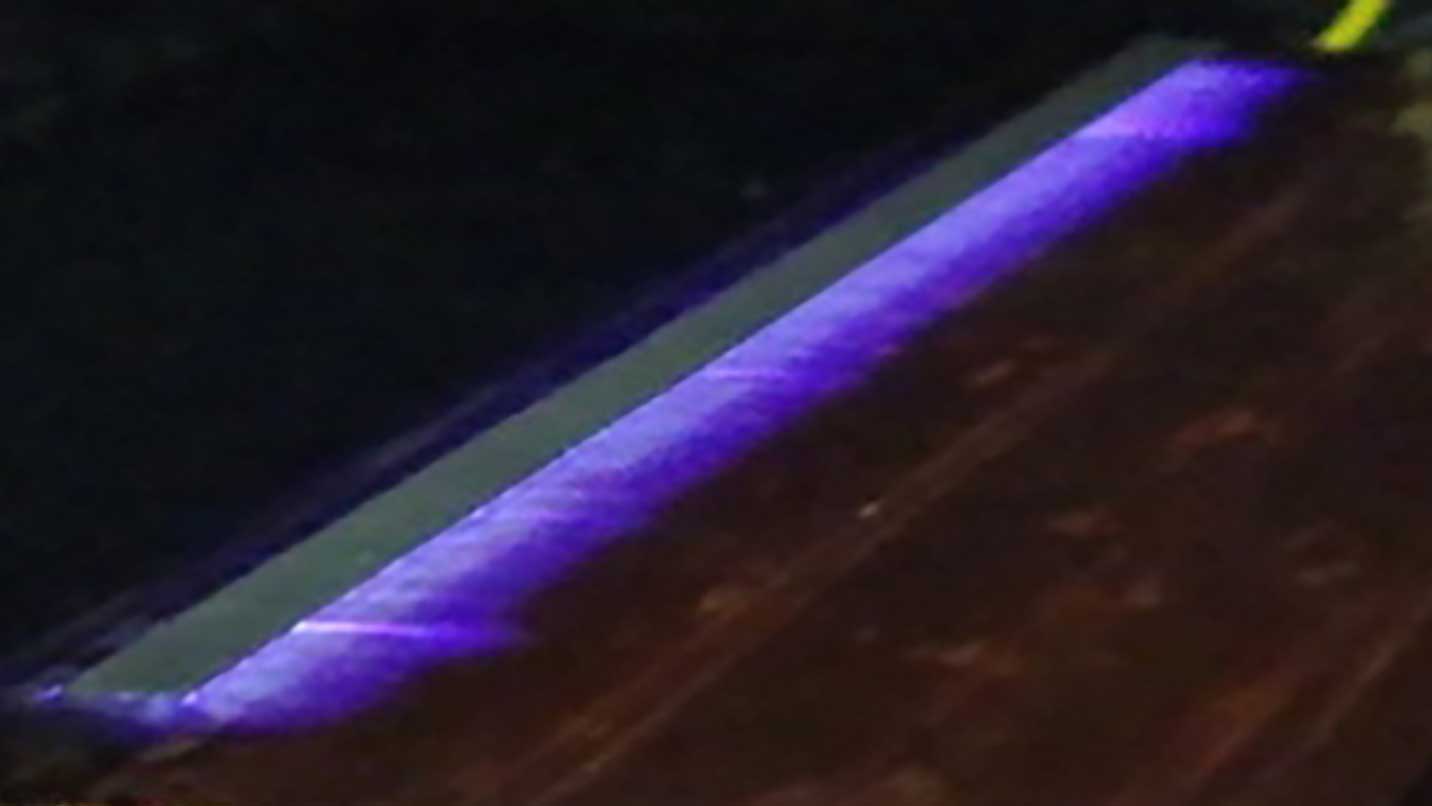
And for good reason. We just watched moving air being controlled by plasma, the lesser-known, fourth state of matter which also exists in the blistering core of our sun. And while such lab demonstrations are both uncanny and awe-inspiring, these so-called plasma actuators could produce far more impressive benefits in the real world, especially for the aviation and wind power industries, and maybe even the trucking business.
On
Article source: http://www.pbs.org/wgbh/nova/next/space/plasma-air-control/